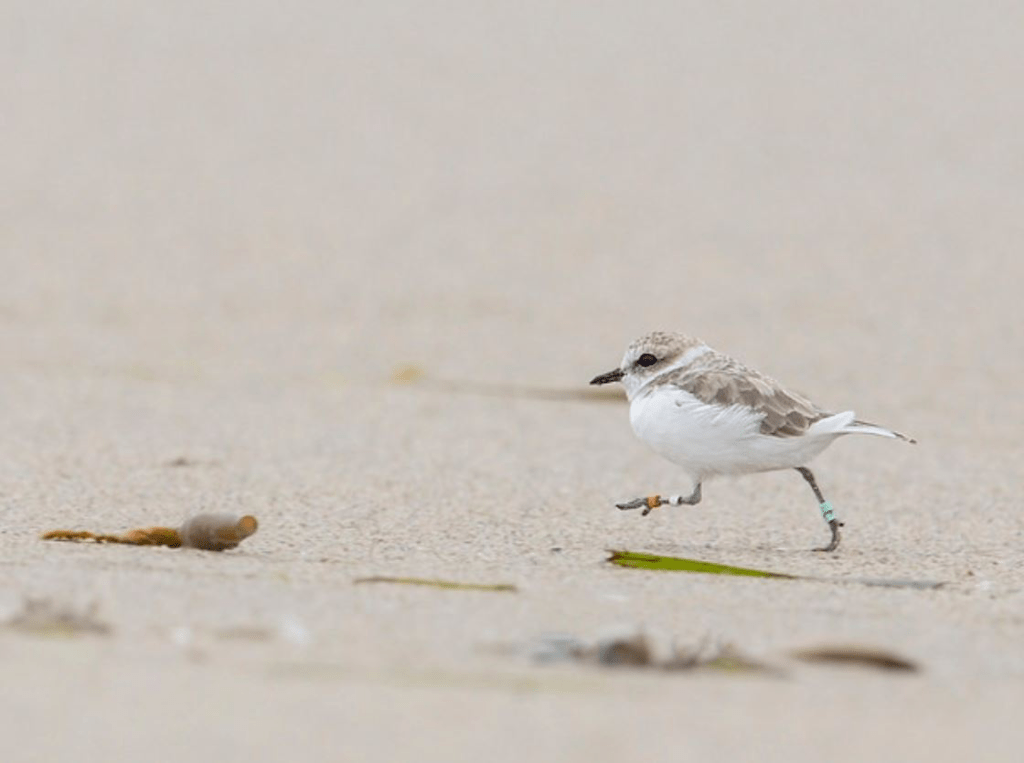
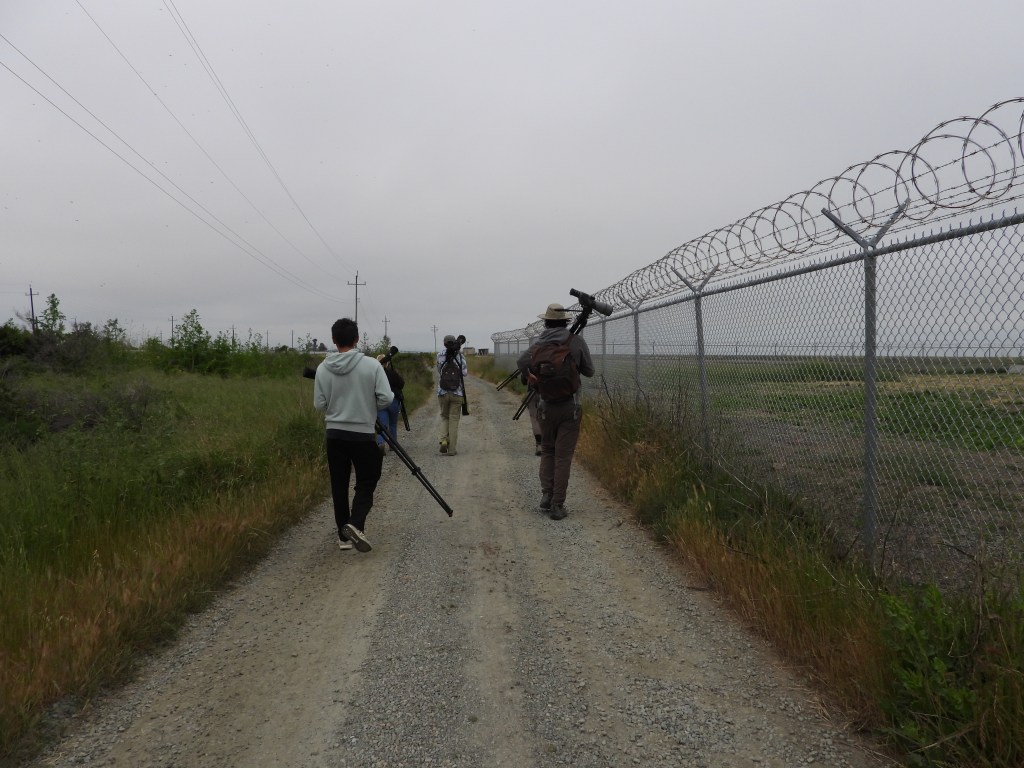
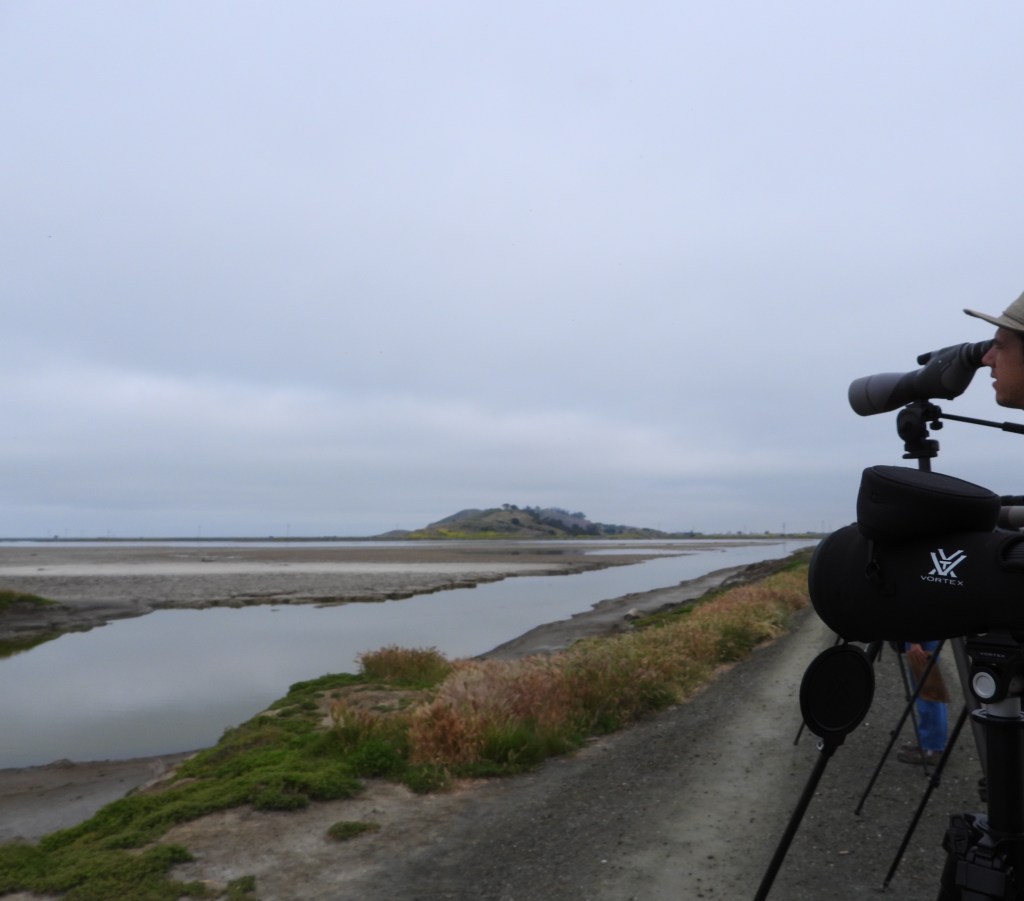
Ecologists and I came to a salty pond by the sea early on Saturday morning, and I am here for field training. I learn how to observe and record the snowy plover. The state government purchased these ponds and set them up as protected habitats for snowy plovers and terns every year. Shivering in the cold wind, I used professional binoculars to look for the snow plovers, staring into them closely. I finally found little white spots, the snowy plovers. They can clearly be seen in the professional telescope. The camera and telescope look like this
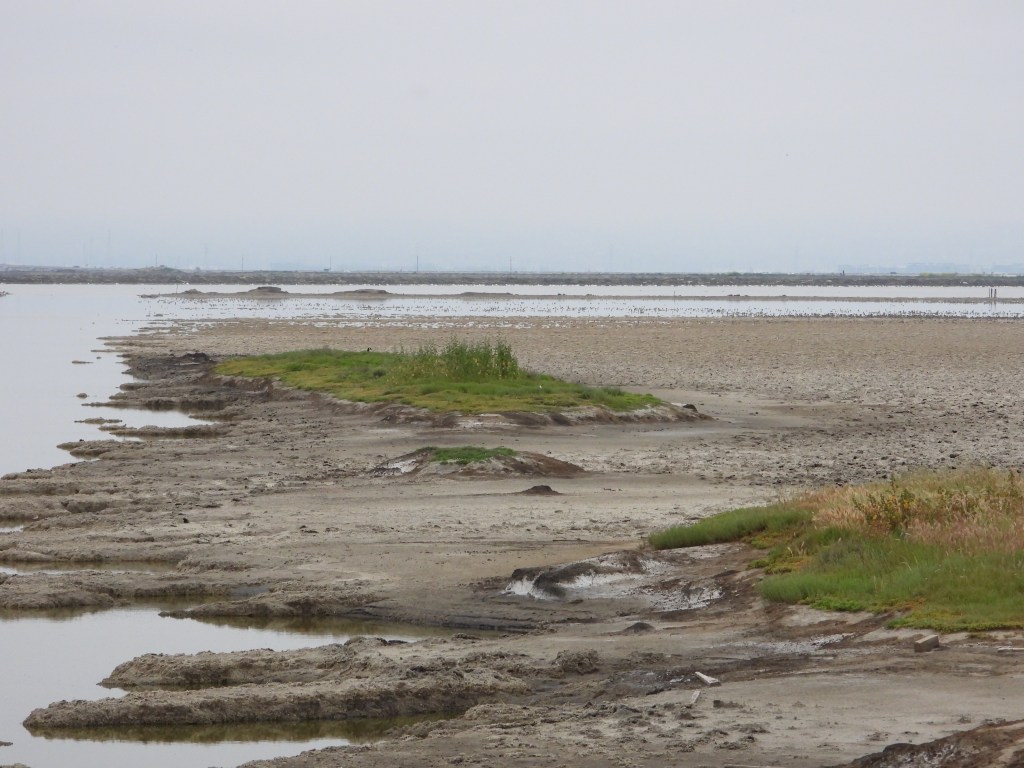
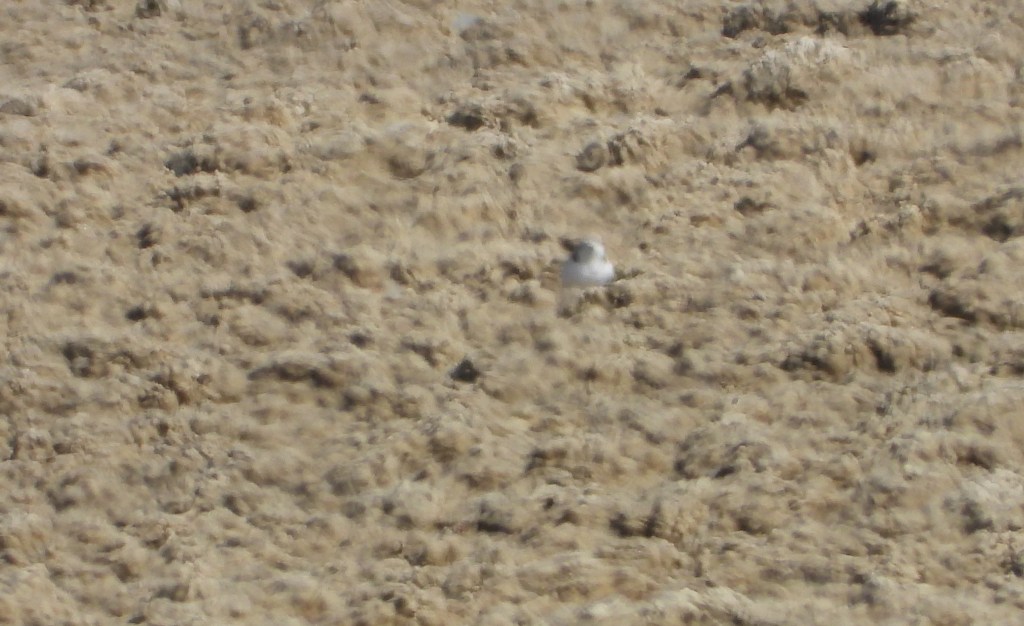
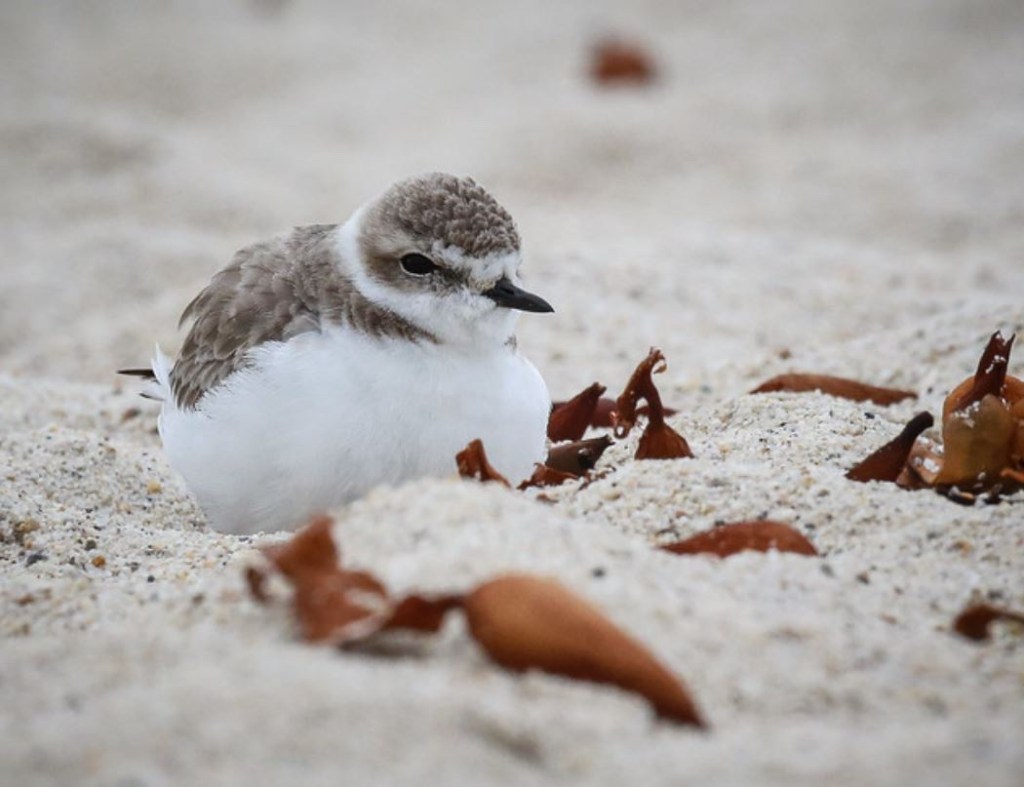
The snowy plover is an endangered species that has decreased in population by 37% over the last 15 years. Protecting these large salty ponds is only for the seasonal breeding of the different snowy plover species.
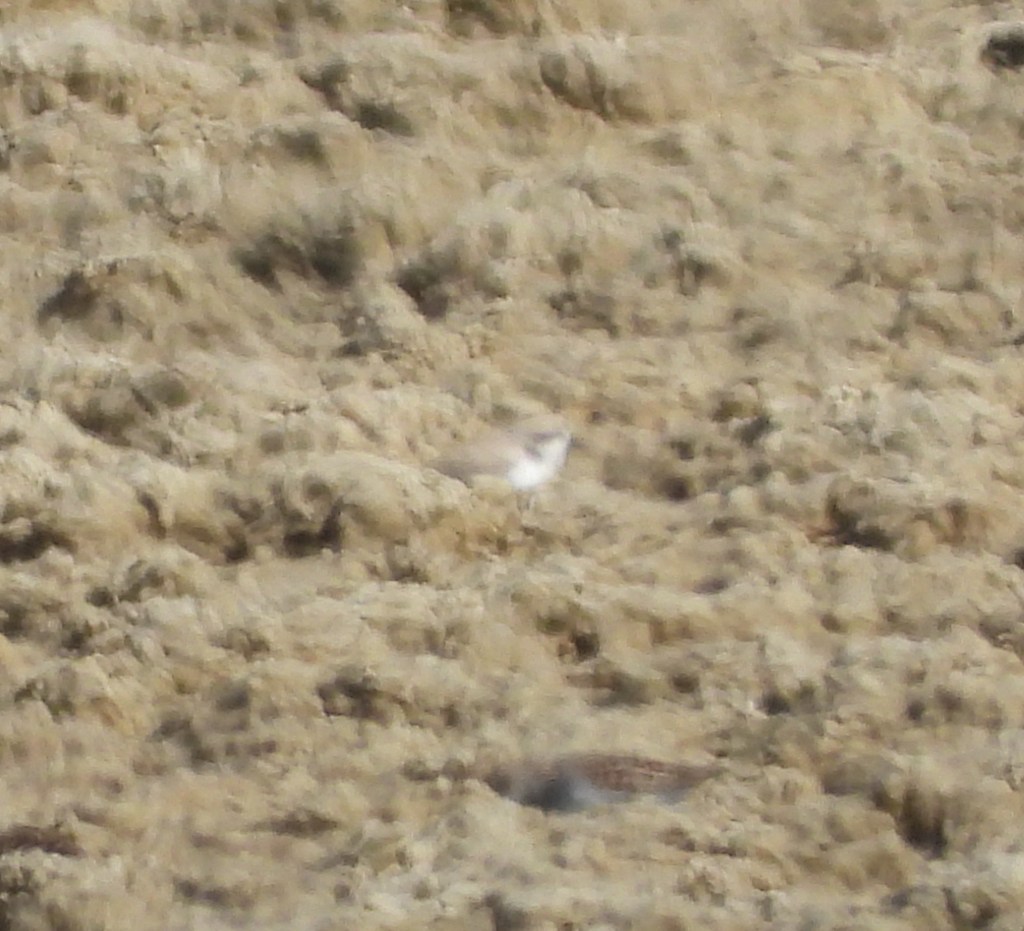
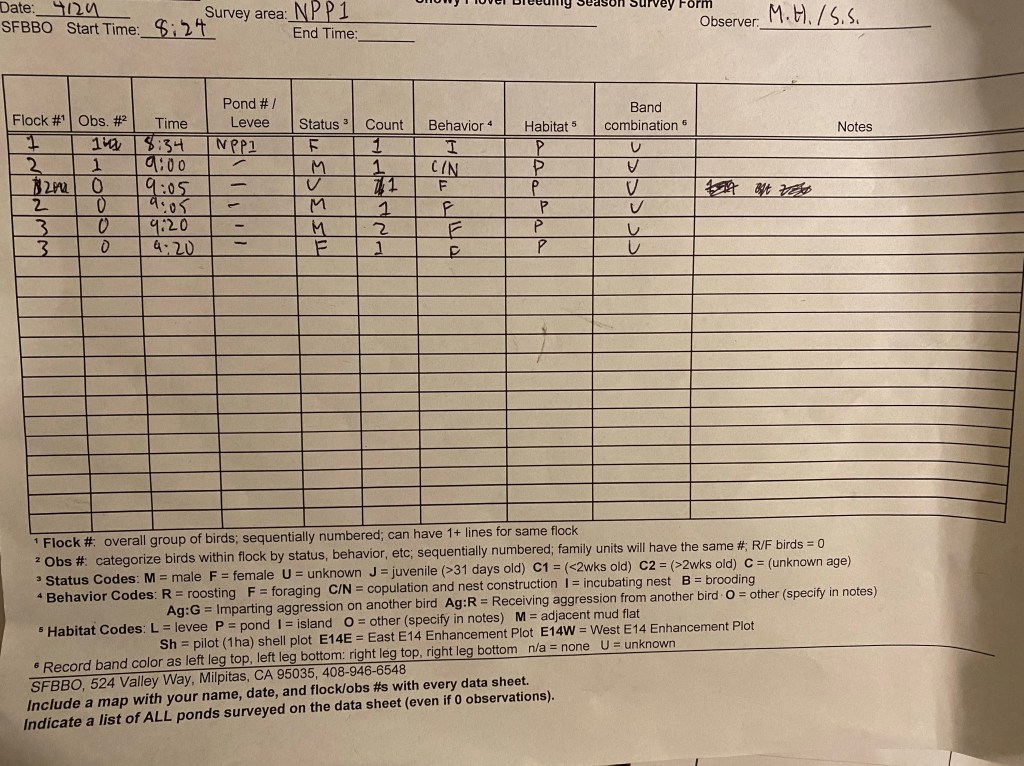
The U.S. Fish and Wildlife Service has set goals to restore plover numbers throughout the region. In addition, the South Bay Salt Pond Restoration Project, a 50-year effort to return half of the Bay’s salt ponds back to tidal marsh, has also established goals to increase plover numbers in the Bay Area.
 Matthew lives in nature
Leave a comment